Workload, priorities and practical prevention · 5 minute read
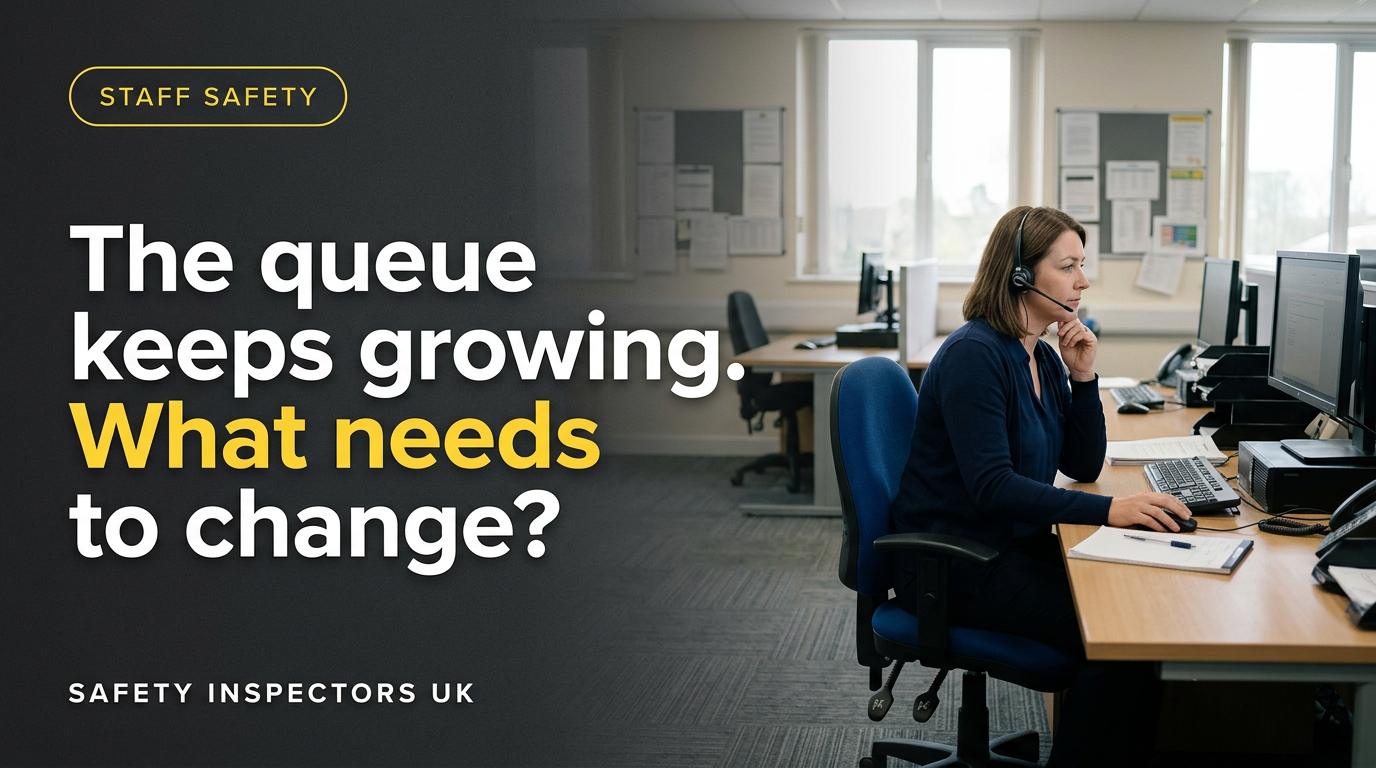
The phones keep ringing, the shared inbox grows and yesterday’s unfinished cases become today’s starting point. If that sounds familiar, a customer service stress risk assessment should lead to decisions about how the work is organised.
On 23 November 2026, HSE published findings from its Occupational Stress Consultation and Research programme, known as OSCAR. Its announcement emphasises preventing harm from pressures such as excessive demands, limited control and poor support, with workers involved in developing solutions.
For a North East business running a booking desk, contact centre or customer support team, the practical question is straightforward: what will you change when the work consistently exceeds the team’s capacity? The national guidance below applies across Great Britain; the examples are suggestions for managers, not findings about a particular local employer.
What the announcement means for your duties
This is a research announcement, not a new legal deadline or a requirement to buy a particular wellbeing programme. HSE says employers already have a legal duty to assess work-related stress risks and act on the findings.
HSE’s Management Standards provide a recognised approach to assessing six areas: demands, control, support, relationships, role and change. They are guidance, rather than a separate set of regulations. Another suitable and sufficient approach can be used. Keep the assessment connected to the work people actually do, including remote staff and different shifts.
HSE advises recording the main risks and decisions; its stress guidance states that employers with five or more workers must write the assessment down. Small teams can still benefit from a short written action plan.
Find out where the queue becomes unmanageable
Start by asking staff which tasks cannot reliably be completed within their working hours and why. Look at a representative period, including busy times. Compare incoming calls and cases with the people, skills and time available. Include after-call notes, training, difficult complaints and cover for absence.
A useful discussion might reveal that staff are expected to answer live calls while clearing complex emails, with both marked urgent. Record that conflicting demand clearly. “Staff need to manage time better” does not identify what management will change.
HSE’s demands standard looks for achievable workloads within agreed hours and work matched to people’s capabilities. Practical options could include suspending a lower-priority task, adding trained cover at predictable peaks or changing customer response promises. Check that moving work does not simply overload another team.
Need help making the action plan workable?
Explore our retained safety services for ongoing support with managing workplace risks and keeping actions under review.
Give staff usable control and support
HSE’s control standard includes having a say in work patterns, pace where possible, and when breaks can be taken. Ask the team which decisions they can reasonably make themselves. For example, could a trained adviser finish a difficult case before taking another call, within an agreed escalation process?
Make the limits clear. Set out who can change priorities, approve extra assistance or decide that a queue needs a revised response time. Avoid leaving advisers to choose between incompatible targets without authority to resolve them.
Support must be available when the pressure occurs. Identify a named person for difficult cases and a backup when that person is absent. Explain how staff can raise concerns privately and how managers will respond. HSE’s support standard also covers access to resources and regular constructive feedback.
Individual support, including an employee assistance service where available, can sit alongside these changes. Managers still need to address the working conditions identified in the assessment.
Check the change with the people doing the work
Choose a realistic review date and tell staff what you will check. For example, trial a revised allocation of calls and casework, then ask whether the backlog, missed breaks and conflicting demands have improved. Use team information to understand the system, rather than turning the exercise into a ranking of individuals.
If the change has not helped, revisit the cause and agree a different action. Also reconsider the assessment when staffing, opening hours or software changes. Our health and safety inspections can help managers review wider workplace arrangements alongside their action plans.
Manager checklist: before the next busy period
- Ask staff where demands become difficult to manage.
- Check capacity, skills, competing targets and absence cover.
- Agree which work takes priority and what can wait.
- Make escalation, break cover and management support clear.
- Record practical controls, named owners and review dates.
- Ask staff whether the changes have reduced the pressures.
Turn the findings into next steps
Choose one recurring pressure your team has identified and agree a practical response this week. If you need help reviewing your arrangements, tell us about the team and the work involved.
Request safety support